Why Ad Frequency Matters
In large-scale Facebook Ads campaigns, ad frequency—how often a person sees your ad—can make or break performance.
Too low, and your message might not stick.
Too high, and you risk ad fatigue, higher costs, and lower engagement.
For most industries, the ideal frequency range is 1.5 to 3 per week. Exceeding that without strategy leads to wasted budget.
1. Track Frequency at the Ad Set Level
While campaign-level frequency gives an overview, the most accurate insights come from the ad set level, especially when:
- You’re targeting multiple custom/lookalike audiences
- Running split tests across regions
- Using layered objectives (conversion, retargeting, awareness)
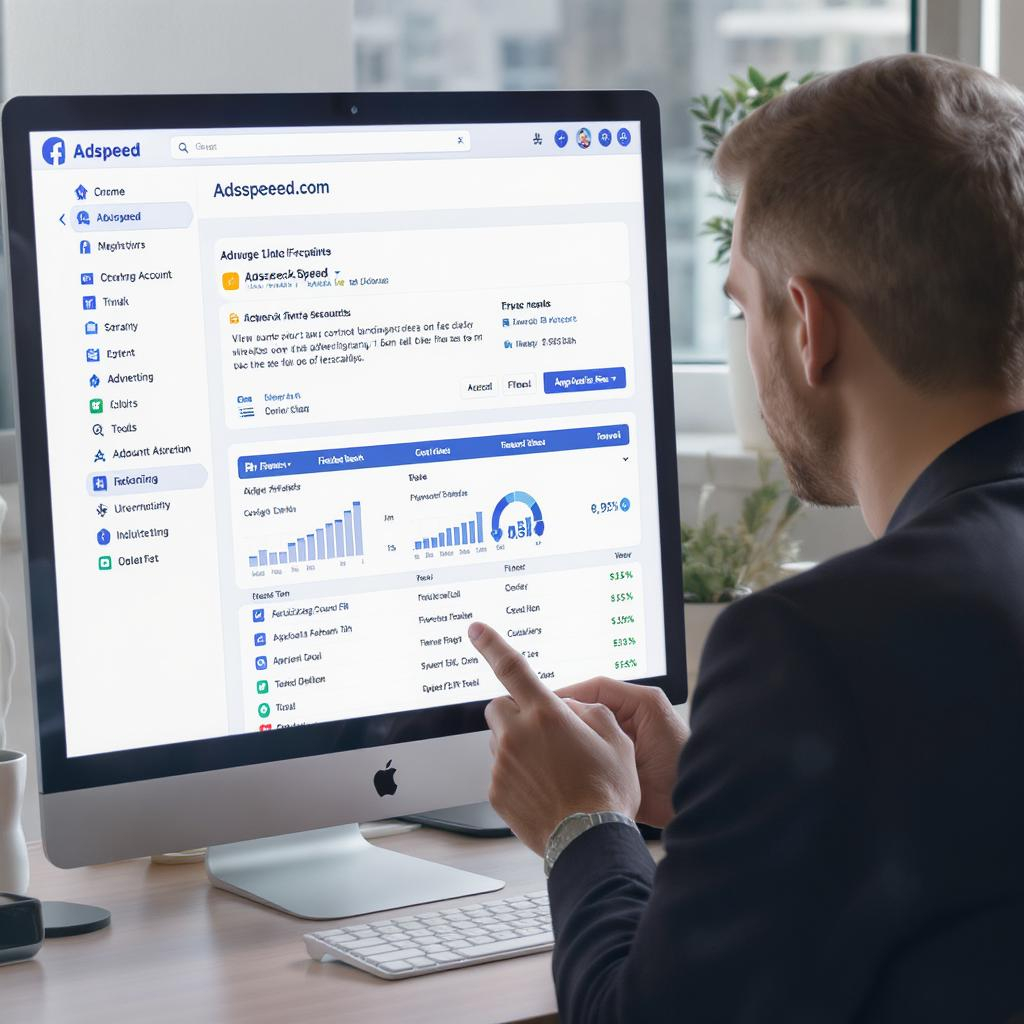
Use Ads Manager or performance dashboards like ads check speed to catch frequency spikes early.
2. Segment Your Audiences Strategically
Avoid hammering the same users with different creatives. Instead:
- Segment by buyer stage (cold, warm, hot)
- Create regional variations for global scale
- Use interest-based or behavior-based segments
Tip: Use tools like Adsspeed to manage large batches of audiences across ad accounts quickly and efficiently.
3. Use Frequency Capping on Awareness Campaigns
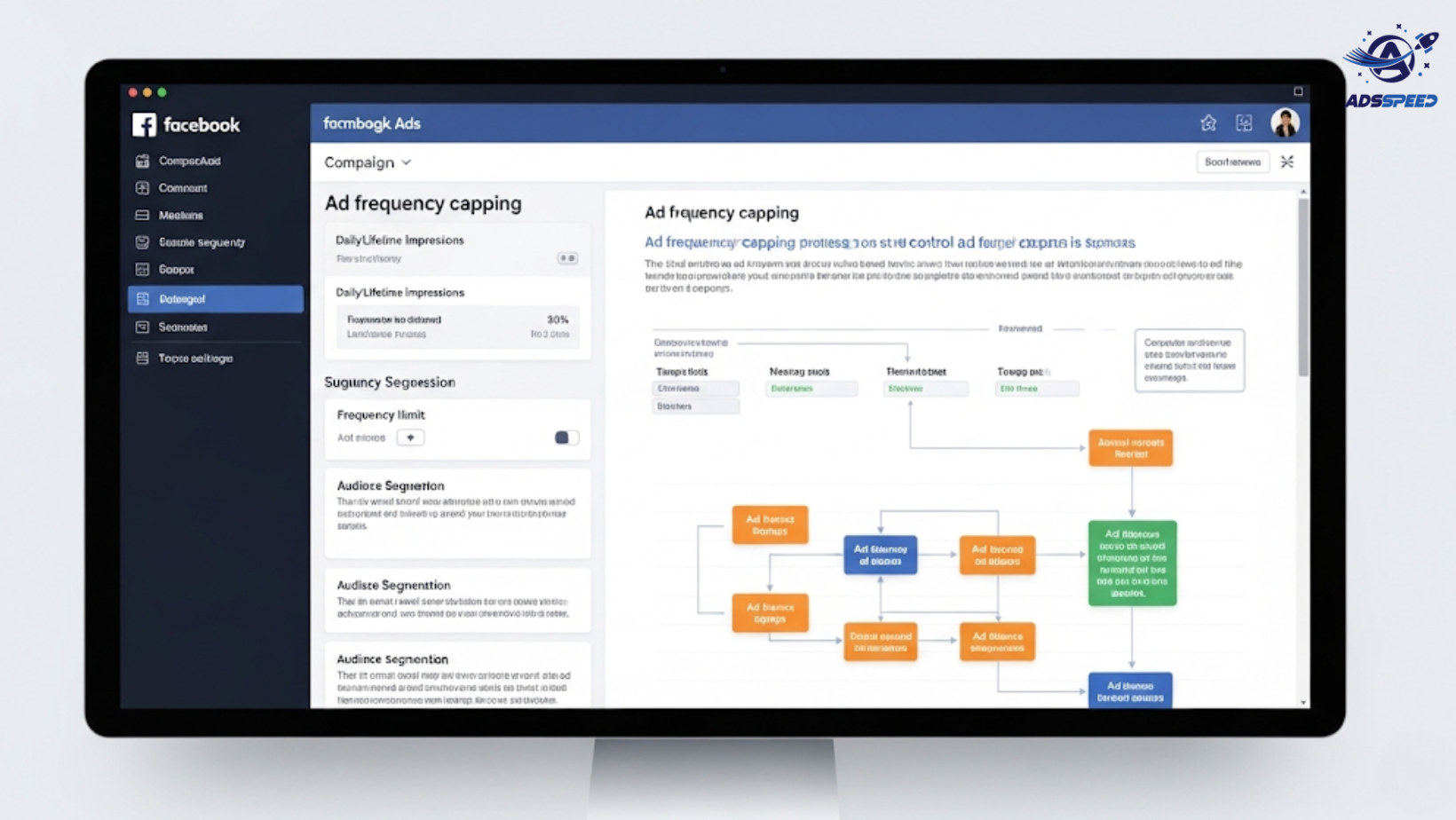
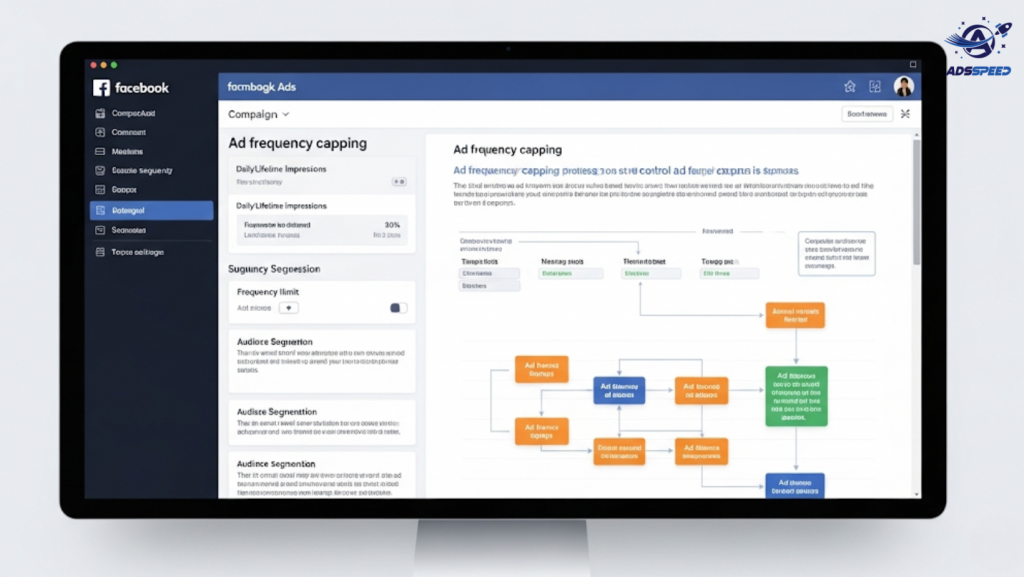
If you’re running awareness campaigns (Reach or Brand Awareness objectives), Facebook allows you to set frequency caps directly.
Best practice:
- Cap at 1 impression per person every 5–7 days
- For heavy campaigns, try 2 impressions every 3 days, max
This prevents over-saturation and keeps costs in check.
4. Rotate Creatives and Formats
Running a high-spend campaign with the same ad creative leads to visual fatigue—users start tuning out.
Solution:
- Rotate ad creatives every 5–7 days
- Alternate between images, carousels, Reels, Stories, and video
- Test formats like memes, testimonials, UGC, or animated graphics
Even small changes in color, copy, or CTA button can reset mental engagement.
5. Set Rules for Automated Frequency Control
Facebook’s Automated Rules let you pause or adjust ad sets based on performance and frequency.
Example rule:
- IF frequency > 3 AND CTR < 1%, THEN pause ad set
This automation prevents overspending on ads that are wearing out.
6. Use Retargeting Wisely
Retargeting ads often have the highest frequency—but also the highest risk of annoying warm leads.
Tips:
- Limit retargeting windows (e.g., 7 days instead of 30)
- Offer different value in each retargeting stage (not just “Buy now”)
- Cap frequency at 2–3 per person per week
7. Monitor Comments and Engagement Sentiment
High frequency can lead to negative reactions:
- “I keep seeing this ad!”
- “Why won’t this go away?”
Solution:
- Actively monitor comment sections
- Hide or reply to negative feedback
- Adjust budget or targeting based on feedback trends
Final Thoughts
Controlling ad frequency in large-scale campaigns is about balance—you want to be seen, but not ignored or resented.
With smart segmentation, rotation, and monitoring, you can keep your brand visible and engaging without overspending.
🔹 Google Chrome Store: Search “Ads Check Speed | adsspeed.com”
https://chromewebstore.google.com/detail/ads-check-speed-adsspeedc/bhfahbbgppclfpeapkaebjbcffjnahcd
🔹 IOS Download : https://apps.apple.com/vn/app/adscheckspeed/id6742325139
🔹 Android Download : https://play.google.com/store/apps/details?id=com.dev.fbadsspeedv2&hl=vi