Why Multilingual Ads Matter More Than Ever
Global expansion is no longer reserved for big brands. Even startups and small businesses can now reach audiences in multiple countries and languages through Facebook Ads.
But here’s the challenge:
Language isn’t just a translation—it’s context, culture, emotion. If you’re not speaking the user’s language and mindset, you’re wasting ad dollars.
1. Structure Campaigns by Language, Not Just Country
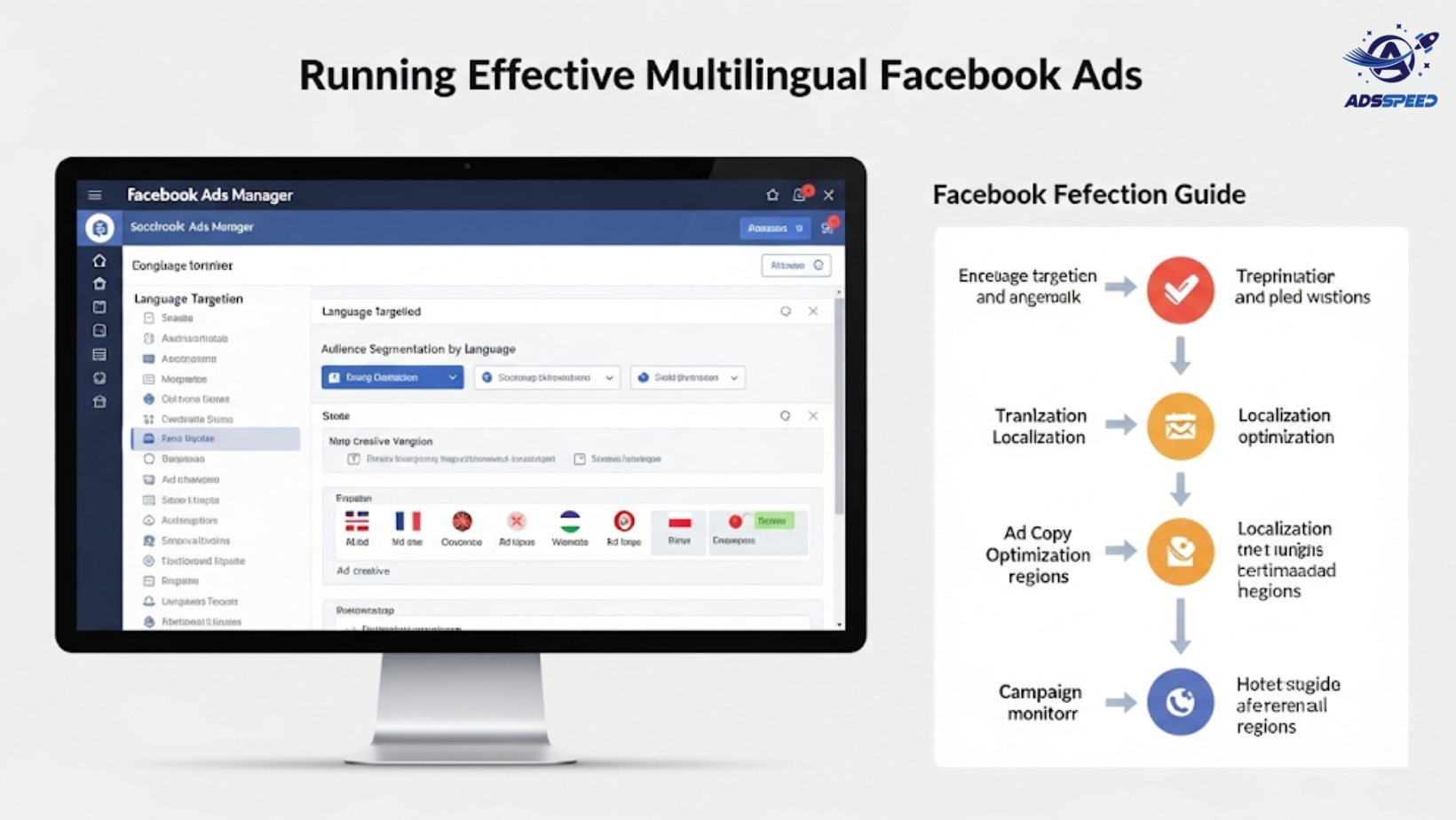
Don’t group all users in one ad set with “automatic language translation.” Instead:
- Create separate campaigns or ad sets per language
- Localize copy, CTA, and creatives for each group
- Choose country + language targeting together (e.g., Spanish speakers in the U.S.)
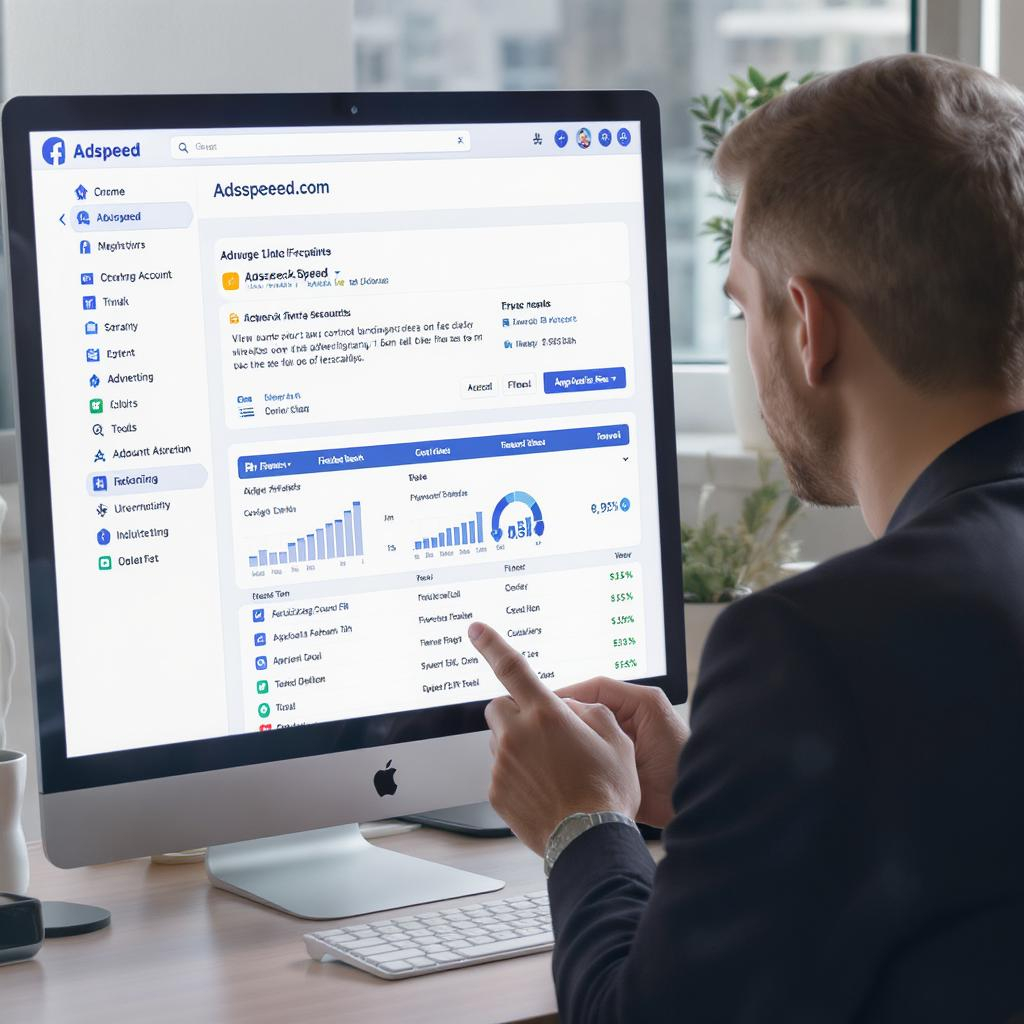
Platforms like Adsspeed help track the performance of each language-specific ad from a unified dashboard.
2. Don’t Translate—Transcreate
Literal translations often fail to convert. Instead, transcreate:
- Adapt your message to cultural norms
- Use idioms, humor, or phrasing that locals use
- Ensure CTAs make psychological sense in that language
Example: “Sign up now” may sound pushy in Japanese, but works great in English.
3. Leverage Dynamic Language Optimization (DLO) Smartly
Facebook allows you to run one ad in multiple languages with Dynamic Language Optimization (DLO).
When to use it:
- You’re targeting multilingual regions like Canada or Switzerland
- You have limited budget but want wide language coverage
- You want Facebook to auto-match language based on user settings
Tip: Always upload your own translations, not Facebook’s auto-translate. It’s worth the effort.
4. Visuals Speak Their Own Language
Your images or videos should:
- Reflect cultural diversity (e.g., local faces, clothing, surroundings)
- Avoid gestures or colors that may offend in certain regions
- Include on-screen text in the right language
For example, a red “Buy Now” button may mean danger in some Asian markets. Use neutral color palettes where needed.
5. Monitor Performance Language-Wise
Track:
- CTR per language
- Conversion rate by region and language
- Cost per result per language variant
Using Adsspeed, you can compare results across dozens of language-based ad sets and pause the underperformers fast.
6. Retarget in the Same Language
Once a user sees your ad in one language, don’t retarget them in another. Ensure:
- Language-specific retargeting audiences
- Matching creatives for consistency
- Localized landing pages to match the ad language
Continuity builds trust and increases your conversion rate.
7. Bonus: Use Local Slang for High Engagement
In markets like Brazil, Vietnam, or India, ads with local slang or emojis often perform better. But test carefully—what works in one region might fall flat in another.
Example: In Vietnamese, “chốt đơn ngay” might convert better than “đặt hàng” depending on audience.
Final Thoughts
Multilingual Facebook Ads are not just about speaking someone’s language—they’re about connecting with culture. When done right, they unlock:
Lower CPC in niche regions
Higher engagement rates
Better brand trust at scale
With tools like Adsspeed, you can easily manage, compare, and scale multilingual campaigns without losing control.